
Enactor Toolkit with agentic development
Build what makes you different. Enactor has built the rest.
Low-code and AI agents, side by side, building from the same proven components behind every Enactor product. Every change stays visible, testable and yours.
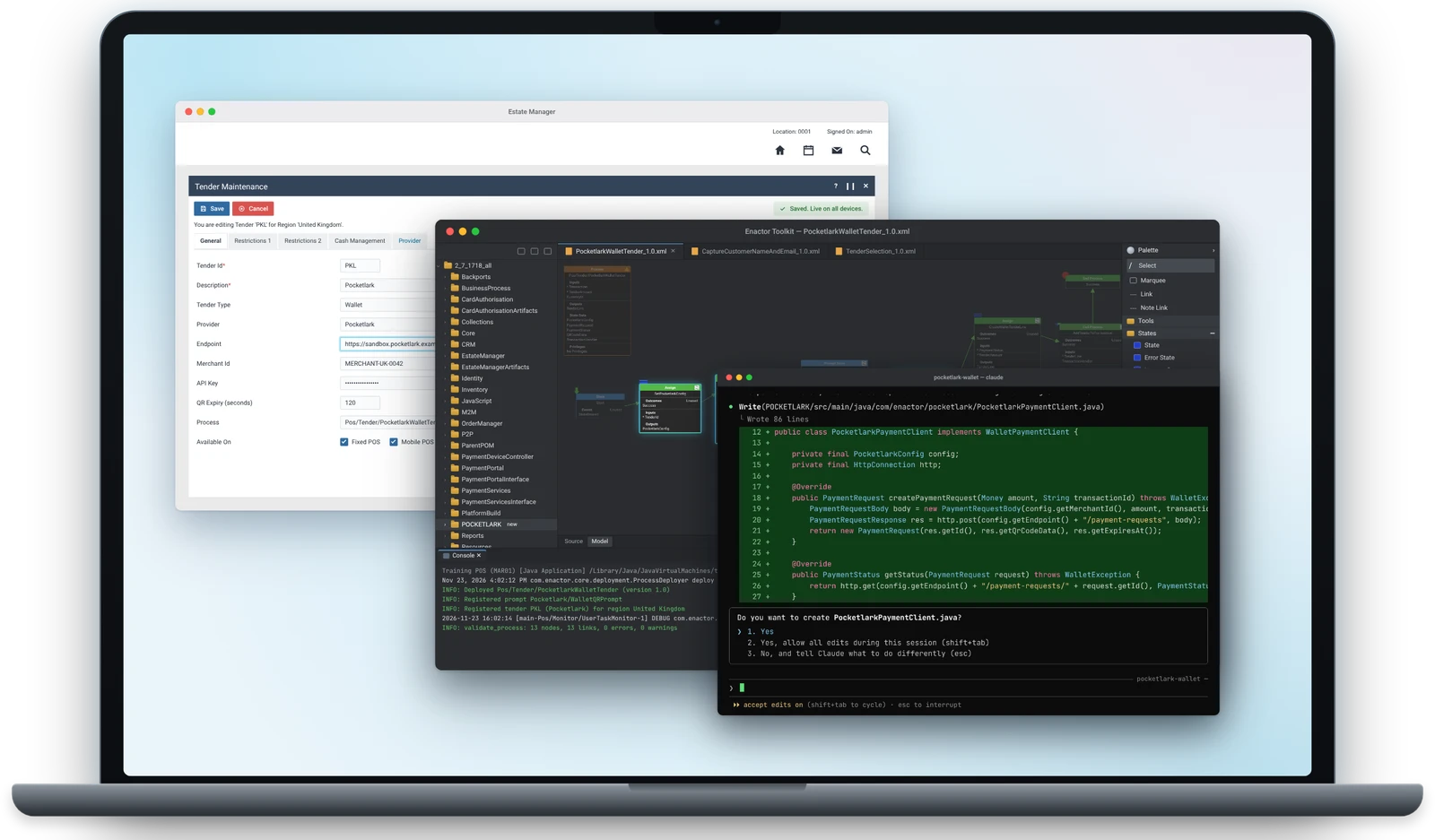
Low-code and agents.
Drag in a component, or describe the change in plain English.
Proven components.
Agents build from the same library your developers use.
Guardrails built in.
Every change stays visible, testable and under your control.
A unified commerce platform,
built to change.
Enactor isn't just a unified commerce and POS platform. Underneath it is an agentic development framework and toolkit for building and extending POS, unified commerce applications and microservices.
The Enactor Toolkit is open and MACH-based, and every function is visual, at every level. Now AI agents work with it too, so your teams can build with low-code, with agents, or both.
The speed is new.
The discipline isn't.
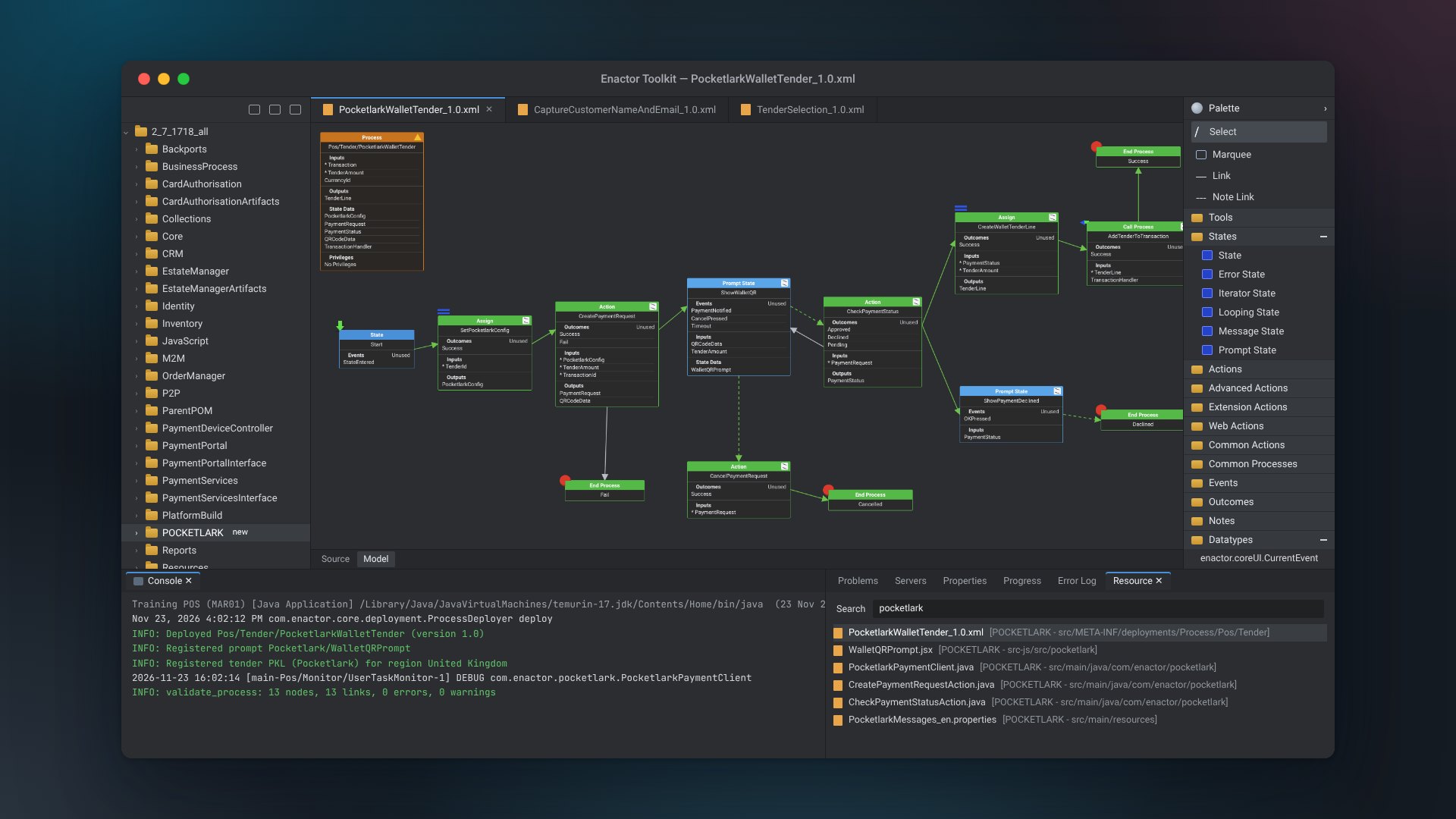
Visual at every levelSeen, understood and adapted by dragging and dropping.
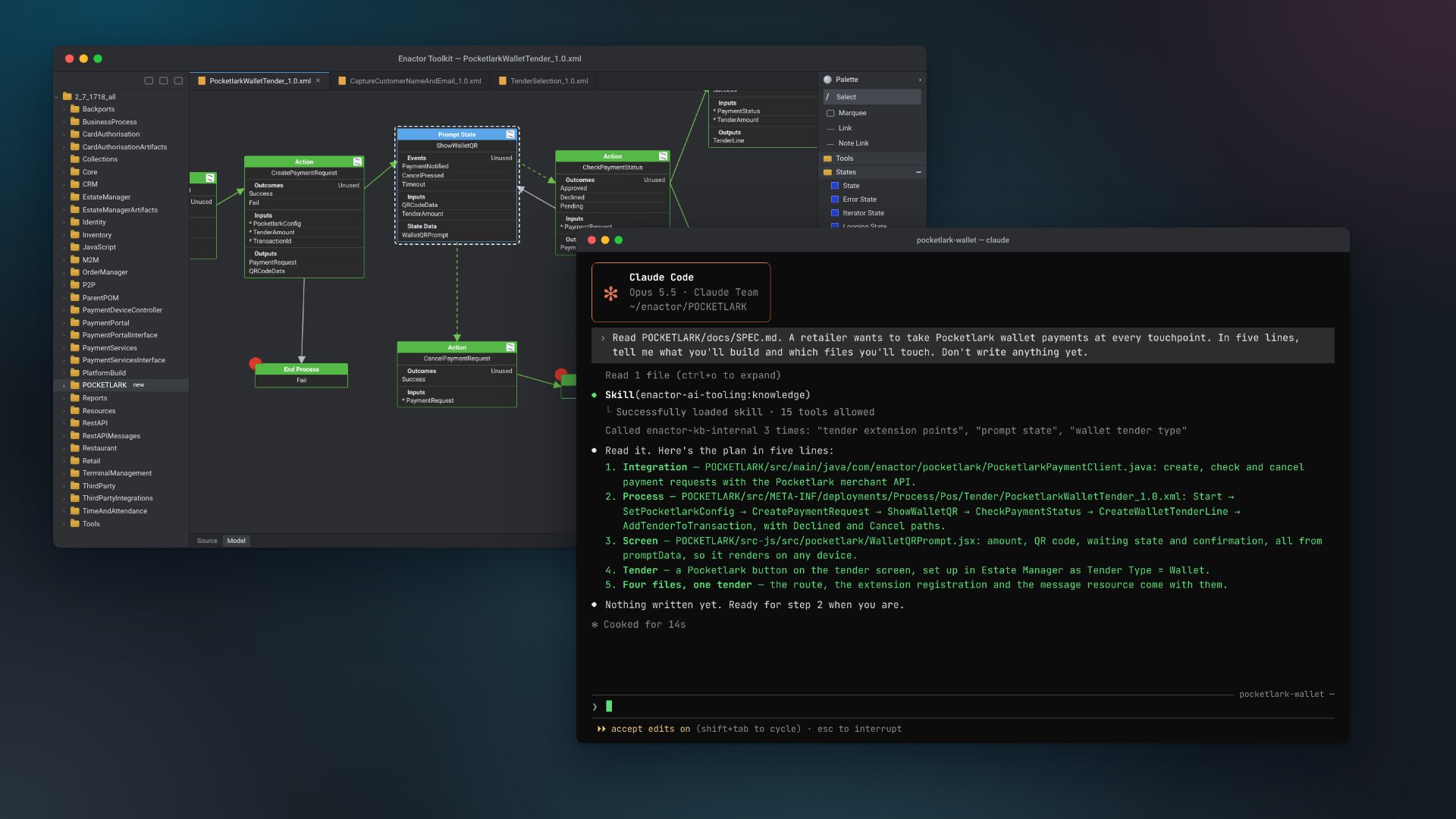
Low-code and agentsDrag in a component, or describe the change in plain English.
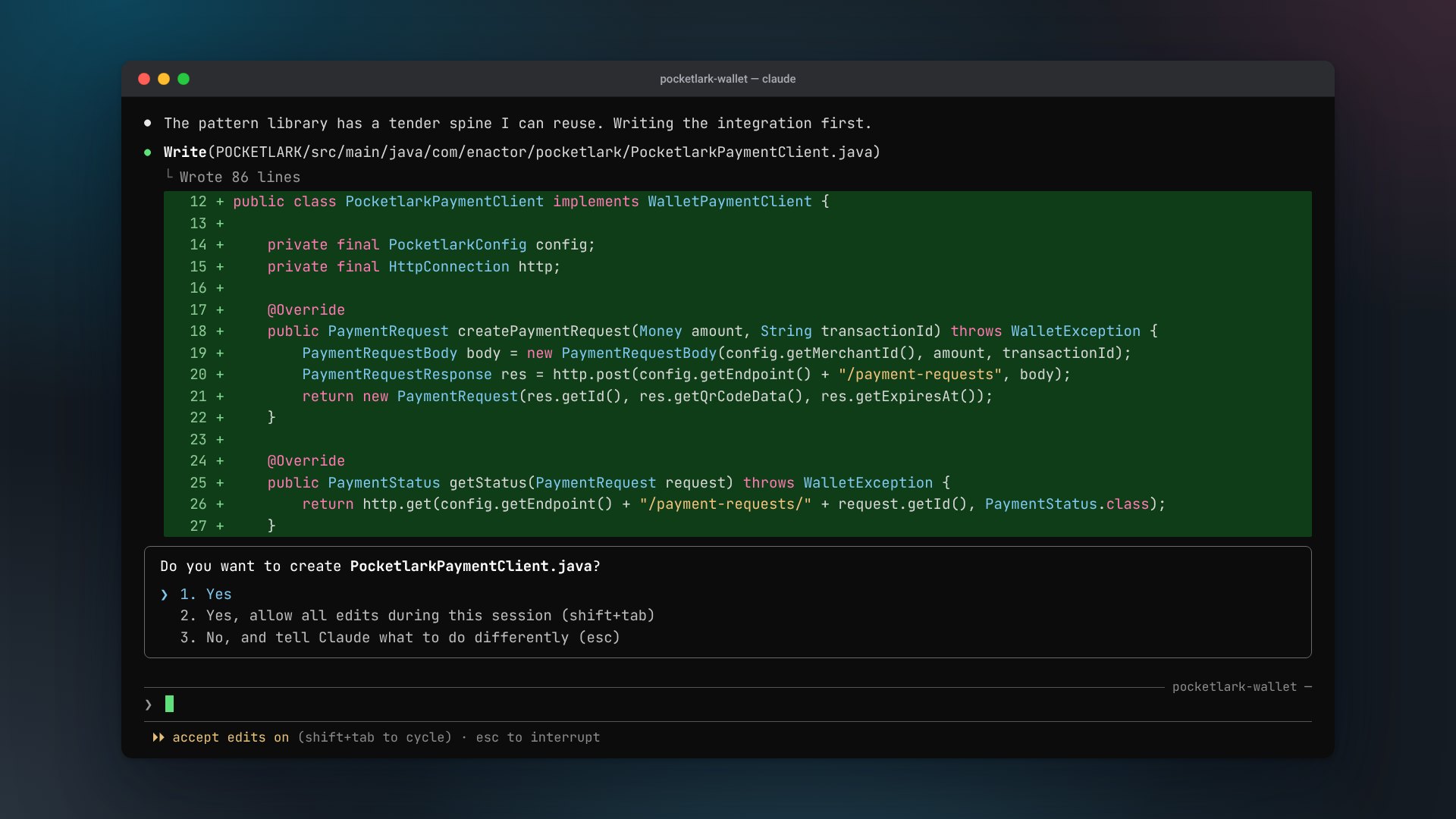
Reviewed like any other changeReviewed, tested and approved the same way.
Visual at every levelSeen, understood and adapted by dragging and dropping.
Low-code and agentsDrag in a component, or describe the change in plain English.
Reviewed like any other changeReviewed, tested and approved the same way.
From request to reviewed change.
> When a loyalty member's basket goes over £50, offer them double points.
Skill(enactor-ai-tooling:knowledge)
Successfully loaded skill
Called enactor-kb-internal · "promotion extension points"
The Sell item flow already has what this needs, except one step.
Low-code works too: drag Capture loyalty into the flow yourself.
Here's the plan:
1. Reuse Add item to basket, Capture loyalty, Continue sale
2. Extension DoublePointsOver50, in the framework's patterns
Write(promotion/DoublePointsOver50.java)
Do you want to create DoublePointsOver50.java?
› 1. Yes
2. No, and tell Claude what to do differently
validate_process(SellItem_1.0.xml)
0 errors · 0 warnings
Added to your library, ready for review in the Toolkit.
Reviewed, tested and approved by your team.
Add an existing component to a flow with low-code, or ask an agent in plain English.
The agent assembles the change from proven components. Where none exists, it writes an Enactor extension following the framework's patterns.
Every change appears as a visual flow your team approves. New extensions join the library for anyone to reuse.
Engineered, not improvised.
Visual at every level.
Every function, in any part of the platform, can be seen, understood and adapted by dragging and dropping.
Agents at every layer.
The React layer for how the POS looks, the configuration layer for things like promotions, and the extension layer for new code.
Proven components first.
Agents assemble changes from the same reusable building blocks behind every Enactor product, rather than starting from scratch.
Framework patterns, not generic code.
New code is written as an Enactor extension, following the framework's patterns and design best practices.
Reviewed like any other change.
Whoever or whatever builds it, every change is reviewed, tested and approved the same way.
Every change adds to your library.
New extensions become reusable parts, so each change makes the next one faster.
Move faster. Stay in control.
Low-code, with agents, or both.
The React layer for how the POS looks, the configuration layer for things like promotions, and the extension layer for new code.
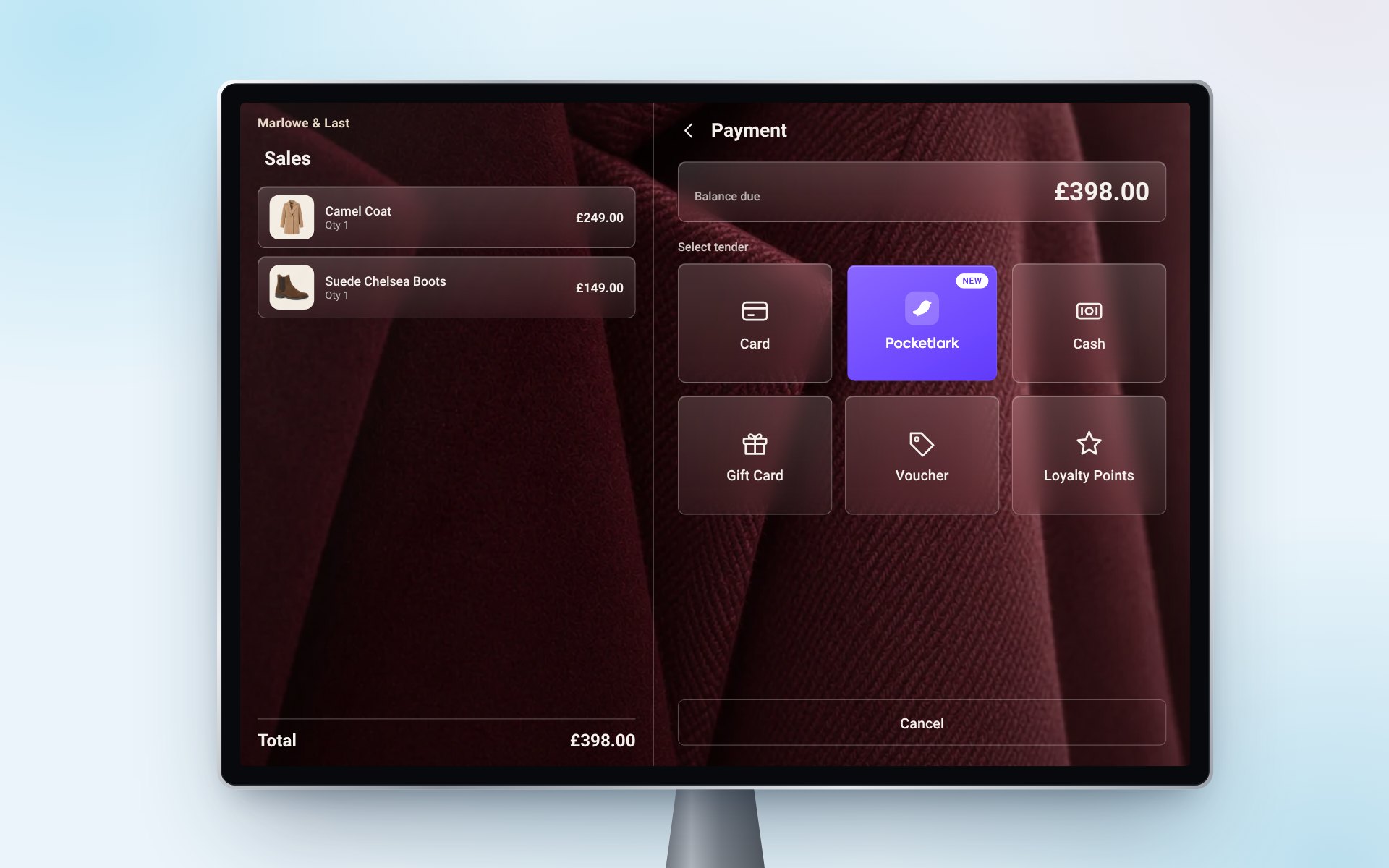
React layer
For how the POS looks.
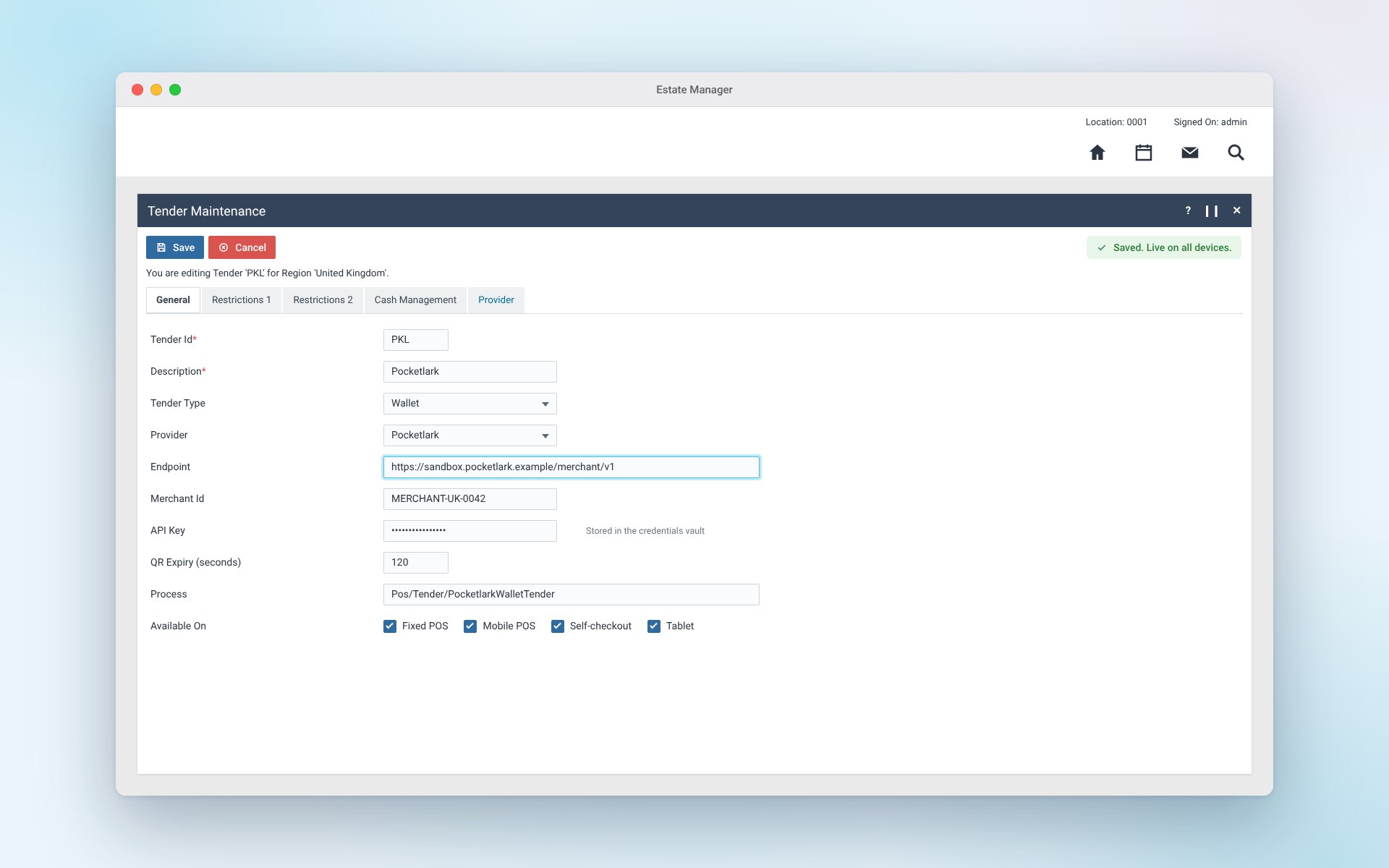
Configuration layer
For things like promotions.
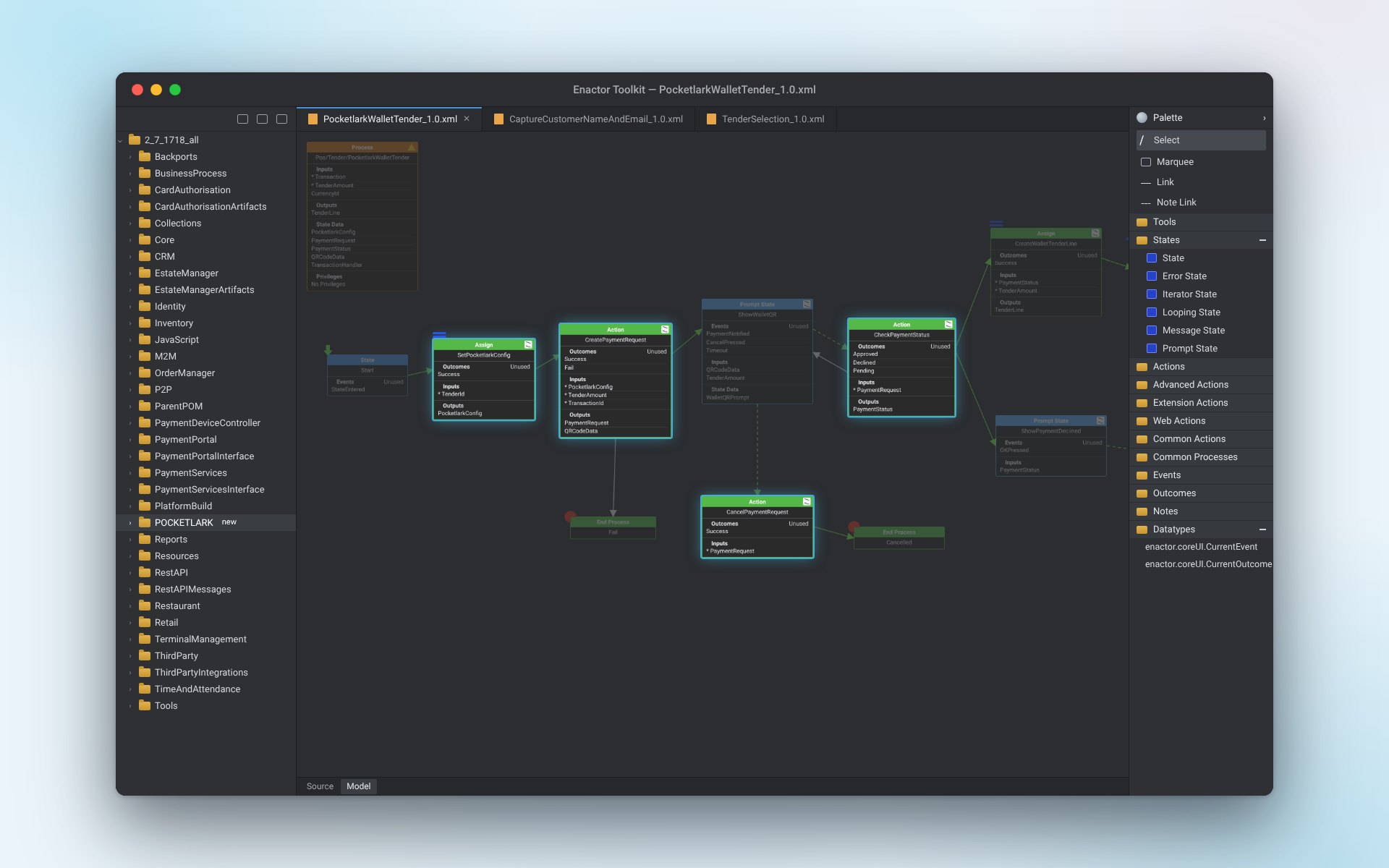
Extension layer
For new code, written as an Enactor extension.
What your teams can build
Generic AI writes new code from scratch.
On Enactor, agents build with proven parts.
